Some students can write a solid paragraph and then completely fall apart when asked to keep going with writing body paragraphs.
You might see:
- strong first paragraphs followed by rushed or incomplete work
- repeated ideas instead of new ones
- frustration, avoidance, or shutdown
- students asking, “Is this enough?” after one paragraph
This isn’t a failure of instruction. It’s a sign that students have reached the edge of their current writing endurance.
Writing beyond one paragraph requires a different kind of stamina.
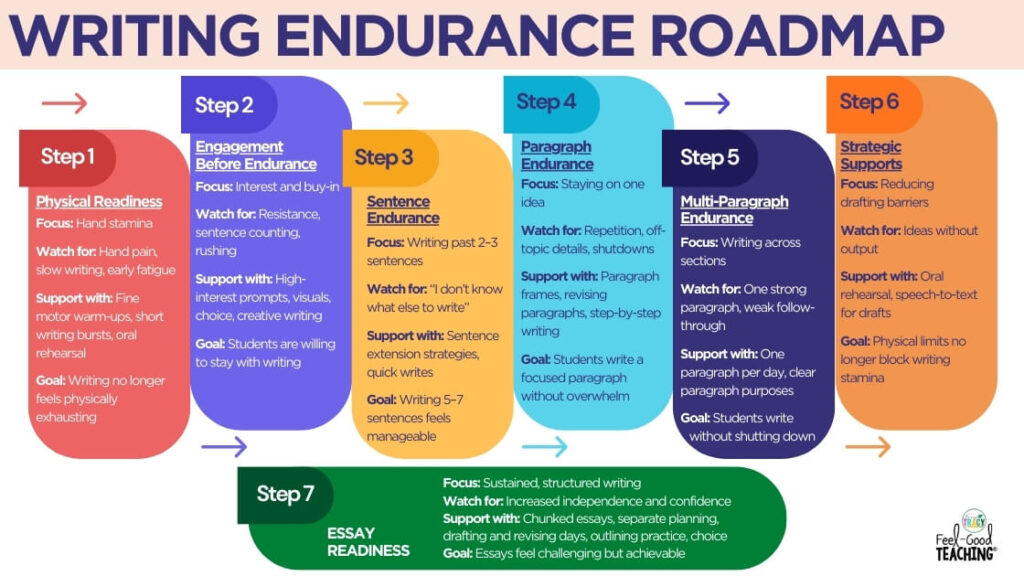
This post focuses on Step 5 of the Writing Endurance Roadmap.
Head back to the introduction if you’ve missed anything in the series so far.
The Jump From One Paragraph to Many Is Bigger Than It Looks
Writing a single paragraph is demanding, but writing body paragraphs for essays requires students to:
- hold several ideas in mind
- organize those ideas across sections
- manage time and energy
- tolerate sustained effort
Even strong writers can feel overwhelmed when the task suddenly expands.
When students shut down after paragraph one, it’s often because the work feels too big to manage all at once.
Why “Just Write the Next Paragraph” Doesn’t Help
When students already feel overwhelmed, vague encouragement doesn’t give them a way forward.
Without clear structure, students may:
- repeat the same idea
- panic about what comes next
- disengage to avoid failure
What they need is clarity and containment, not pressure.
Writing Body Paragraphs for Essays Requires Planning
Often the biggest problem with writing body paragraphs for essays is that students either haven’t been given time to plan or they don’t understand how to plan ahead to make the writing come easily when they draft paragraphs. Once you solve for the planning problem, teaching writing gets SO much more enjoyable!
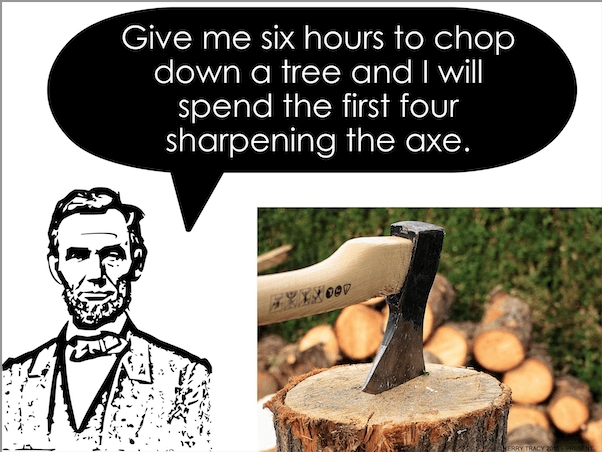
Helping students learn to quickly generate, organize, and then select the best ideas for body paragraphs is key to improving writing stamina. When it becomes second nature and planning becomes all-but-frictionless, the ability to endure longer writing pieces increases dramatically (as does the quality of those pieces!).
Teaching Students How to Plan Writing Body Paragraphs
I like to start with teaching two methods for brainstorming and categorizing information using very broad topics (e.g. water, animals, transportation) before I even begin introducing essay writing prompts. The first method is to brain dump and then categorize. The second is to think of categories first and brainstorm within lists.
The latter is my end-goal for students: when they get a writing prompt, they’ll immediately generate categories that could work for body paragraphs, then generate supporting ideas for each category, and quickly see which ones are the best contenders to easily become paragraphs. This should all happen within roughly 2-3 minutes. But that’s where I want them to be, not where they are when we begin. So I give them both options for brainstorming at the beginning.
Eventually, as we practice this skill, I begin introducing essay writing prompts, addressing the given audience, and turning the brainstorm into outlines. I’ll elaborate more on those steps of the planning process in the last post of this series. If you’d like the lesson I use to teach this first step, fill out the form below, and I’ll send it to you.
Break Writing Body Paragraphs Into Clear Chunks
Students are far more successful when longer writing is broken into visible, manageable parts.
Helpful approaches include:
- writing one paragraph per day
- clearly naming the purpose of each paragraph
- stopping intentionally after one section
- using planning tools like outlining and mind maps that show how many parts are required
When students can see the end, they’re more willing to continue.
Teach Students How Paragraphs Work Together
Writing body paragraphs for essays isn’t just “more paragraphs.” Each one has a job.
Students benefit from learning:
- each paragraph develops on one idea
- ideas should be planned before writing (so you don’t waste time & effort trying to develop a paragraph that doesn’t have enough supporting details to be interesting or easy to write)
- paragraphs don’t have to be perfect on the first try (In fact, it can help stuck students if you tell them to write a bad paragraph. Giving them permission to write something “bad” gets something on the paper they can work with another day.)
This reduces anxiety and increases confidence.
Normalize Pausing Between Paragraphs
Students often think “real writers” write everything in one sitting.
Teach students that it’s okay to:
- stop
- take a break
- return later
This helps them persist over time. Writing body paragraphs for essays requires consistent return, not nonstop writing.
What Multi-Paragraph Endurance Looks Like When It’s Working
As students build stamina, you’ll notice:
- less resistance to longer assignments
- more focused paragraphs
- increased independence
- greater willingness to revise
Writing body paragraphs for longer pieces may still feel challenging, but it’s no longer overwhelming.
What’s Next
In the next post, we’ll talk about strategic supports that help students sustain writing without lowering expectations, including oral rehearsal and speech-to-text tools used intentionally.
These supports don’t replace writing. They make endurance possible.
Writing endurance isn’t about pushing harder. It’s about helping students manage longer work without shutting down.
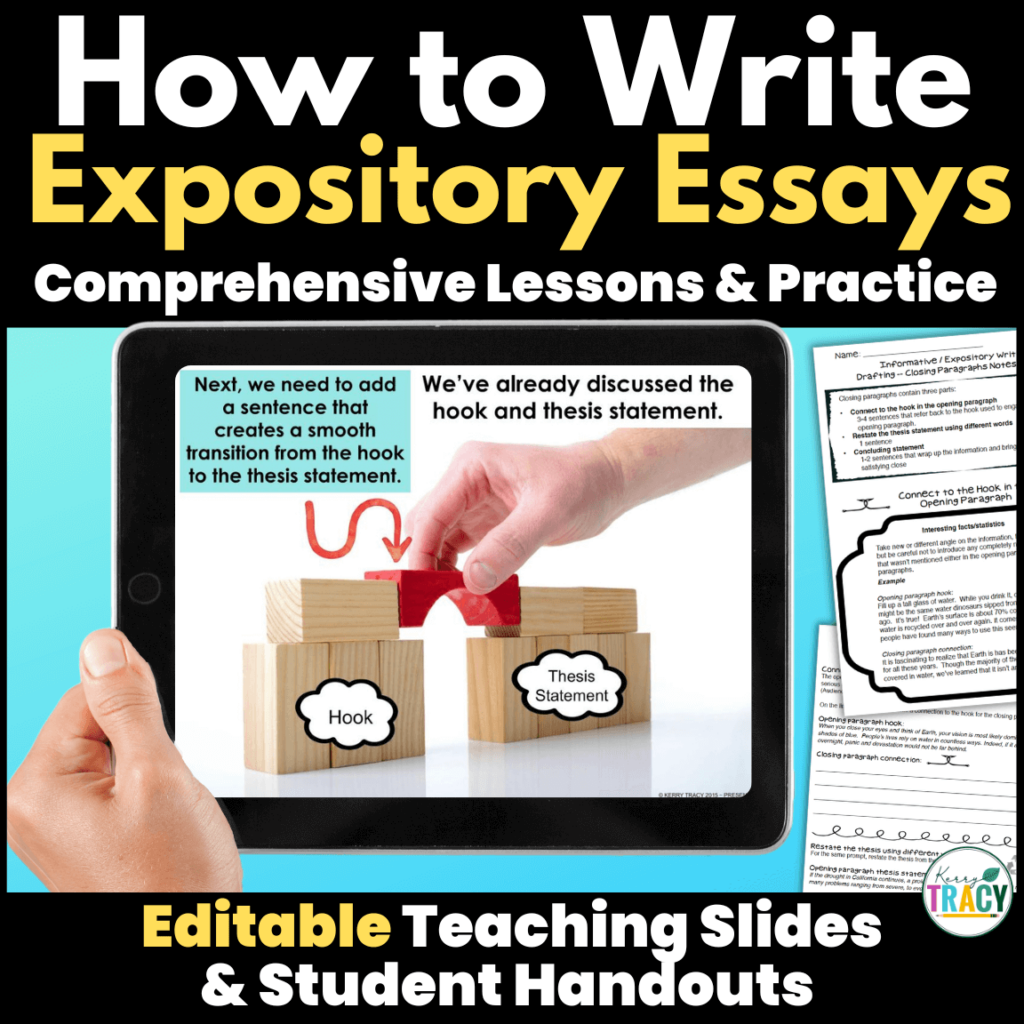
Comprehensive Expository Writing Unit
If you want a step-by-step unit to teach students to plan and write quality expository essays, check out the unit below.
⭐️⭐️⭐️⭐️⭐️
“Wonderfully done! So detailed and engaging! I love using this resource to teach expository! It hits every skill I want students to learn and takeaway! Thank you!”
~ Padee V.
PIN ME